Introduction to Eid Al-Fitr
Eid Al-Fitr is a significant religious festival celebrated by Muslims worldwide, marking the conclusion of Ramadan, the month of fasting. Celebrated on the first day of Shawwal, the month following Ramadan, Eid Al-Fitr represents not only the end of a period of spiritual reflection and self-discipline but also an occasion for communal joy and festivity. During Ramadan, Muslims engage in fasting from dawn until sunset, which serves to facilitate a deeper connection with faith, increase empathy for the less fortunate, and foster a sense of community.
The celebration of Eid Al-Fitr is steeped in historical and spiritual meaning. Its roots trace back to the time of the Prophet Muhammad, who is believed to have established the festival as a way to rejoice following the holy month of Ramadan. This celebration encompasses various cultural practices across the globe, yet it universally embodies the themes of gratitude, unity, and compassion. Families come together to partake in festive meals, share gifts, and perform special prayers at mosques or in communal spaces. By engaging in acts of charity, known as Zakat al-Fitr, attendees also ensure that the less fortunate can partake in the festivities.
The spiritual essence of Eid Al-Fitr is manifested in the prayers and rituals that occur on this joyous day. Muslims gather to express their gratitude to Allah for granting them the strength to observe Ramadan. As families dress in their finest attire, the community enhances the festive atmosphere. The moon sighting, which signifies the beginning of Shawwal, plays a crucial role in determining the exact day of Eid Al-Fitr each year, often varying based on lunar observations across different regions.
Therefore, Eid Al-Fitr is a moment to celebrate the completion of Ramadan, strengthen familial and communal bonds, and renew one’s faith. This joyful occasion, often greeted with “Eid Al-Fitr Mubarak,” truly encapsulates the spirit of hope and renewal associated with the festivity.
The Importance of Ramadan
Ramadan is observed as a sacred month in the Islamic calendar, serving as a period of reflection, prayer, and community. It is during this time that Muslims globally engage in fasting from dawn until sunset, which acts not only as a spiritual discipline but also fosters empathy for those who are less fortunate. The practice of fasting, known as Sawm, is one of the Five Pillars of Islam, emphasizing the significance of self-restraint, devotion, and submission to God. During Ramadan, fasting is accompanied by extended prayers, particularly the Taraweeh prayers, where additional nightly prayers are performed, creating an atmosphere of heightened spirituality.
The month is much more than abstaining from food and drink; it promotes self-improvement through increased engagement with the Qur’an, acts of charity, and community support. Muslims are encouraged to cultivate a deeper connection with their faith and to reflect on their personal growth and moral obligations. This period also serves as a reminder to prioritize humility, with an emphasis on the importance of communal bonds and sharing in the blessings that life offers.
Eid al-Fitr, the festival that marks the conclusion of Ramadan, is a celebration of the spiritual achievements gained throughout the month. As Muslims break their fast on this day, they embrace not only joy and festivities but also gratitude for the strength that Ramadan has instilled within them. The transition from fasting to feasting symbolizes a profound sense of unity, as families and communities come together to celebrate. This joyous occasion reflects the essence of Ramadan, which emphasizes reflection, compassion, and, above all, a renewed commitment to faith. The culmination of these spiritual practices during Eid al-Fitr and the moon sighting of Shawwal highlights the peace and camaraderie fostered during Ramadan, making it a significant event for Muslims worldwide.
Eid Al-Fitr Traditions Across Different Cultures
Eid Al-Fitr, marking the conclusion of Ramadan, is celebrated with diverse traditions influenced by cultural practices around the world. While the core essence of Eid remains consistent—expressing gratitude to Allah for the strength shown during Ramadan—the ways in which it is observed vary significantly across different communities.
In many Southeast Asian countries, such as Indonesia and Malaysia, Eid Al-Fitr is known as Lebaran. Families reunite, donning new attire and preparing special dishes. One of the most popular meals is ketupat, a rice cake packed and woven in palm leaves, symbolizing togetherness. The occasion involves a tradition called “salam,” where younger members seek forgiveness from their elders while exchanging small envelopes containing money, known as “duit raya.”
In the Middle East, the atmosphere surrounding Eid Al-Fitr is exceptionally festive. In places like Saudi Arabia, the day begins with a special prayer known as Salat Al-Eid. Families gather for celebratory meals featuring dishes such as kabsa—a spiced rice dish served with chicken or lamb. Giving money to those in need, called Zakat al-Fitr, is a crucial practice, ensuring that everyone can participate in the festivities irrespective of their economic status. Moreover, the sighting of the moon holds immense significance for proclaiming Eid, often leading to elaborate celebrations that last several days.
In African nations such as Senegal, community gatherings take precedence. Traditional drumming and dance, along with the sharing of meals, highlight the social aspect of Eid, cultivating bonds among family and neighbors. Sweet pastries, like the Senegalese “brioche,” are popularly prepared and served during this time, symbolizing joy and abundance. Each community personalizes its celebration, blending local customs with the universal spirit of Eid Al-Fitr.
Thus, while the essence of Eid Al-Fitr transcends geographical boundaries, the varied cultural expressions of the festival rich in food, rituals, and community interactions exemplify the diversity and unity present within the Muslim world.
Eid Al-Fitr in 2025: Date and Moon Sighting
Eid Al-Fitr, marking the conclusion of Ramadan, is a significant celebration for Muslims worldwide. In 2025, Eid Al-Fitr is anticipated to be observed on either April 10 or April 11, depending on the sighting of the new moon, a practice deeply rooted in Islamic tradition. The Islamic calendar is lunar-based, hence months begin with the appearance of the moon, differentiating it from the Gregorian calendar which is solar-based. Each month can be either 29 or 30 days long, and the actual sighting of the moon will determine the precise date for Eid Al-Fitr.
The significance of moon sighting cannot be overstated, as it embodies a crucial aspect of Islamic practice. Communities often gather to observe the moon, and confirmations of sightings are communicated through local mosques and community leaders. This tradition fosters a sense of unity and shared experience among Muslims, who await the announcement with anticipation. Various factors can affect the determination of the holiday’s date, including geographical location and weather conditions that may obscure the moon. In some regions, if the moon is not visible, Eid Al-Fitr may be celebrated a day later, which reinforces the importance of community and adaptability in Islamic observances.
Preparations for Eid Al-Fitr begin well in advance, as families plan celebrations, communal prayers, and the giving of zakat (charity). This focus on charity underscores the values of compassion and community in Islam. For those celebrating in 2025, the anticipation of Eid Al-Fitr will not only mark the end of Ramadan and a return to normalcy but also serve as an occasion to reflect on spiritual growth and commitment to faith. Both the sighting of the moon and the celebration of Eid Al-Fitr symbolize renewal and hope.
Eid Greetings and Wishes
Eid Al-Fitr is a monumental festival celebrated by Muslims around the world, marking the conclusion of Ramadan, the month of fasting and reflection. As this cherished occasion approaches in 2025, the exchange of greetings and well-wishes becomes particularly significant. One of the most popular phrases heard during this time is “Eid Mubarak,” which translates to “Blessed Eid.” This greeting encompasses a spirit of joy and goodwill, and it can be used in various contexts, whether in person, via text, or on social media platforms.
It is customary to greet family, friends, and even colleagues with such warm phrases during the festivities of Eid Al-Fitr. In addition to “Eid Mubarak,” others may use “Taqabbal Allahu Minna Wa Minkum,” meaning “May Allah accept [good deeds] from you and us.” This prayer encapsulates the essence of the holiday, emphasizing shared faith and communal blessings. When extending these heartfelt greetings, a genuine smile and an open heart can enhance the warmth of the message.
Furthermore, acknowledging the rich cultural diversity within the Muslim community can lead to a deeper connection during this festive period. Different regions have unique ways to express well-wishes. For instance, in some cultures, people may say “Selamat Hari Raya” or “Chand Raat Mubarak,” each with its own local flavor and significance. Opting to learn a greeting in the local language or dialect of loved ones can facilitate personalized connections and demonstrate effort in embracing each other’s backgrounds.
Ultimately, greetings during Eid Al-Fitr are emblematic of love, compassion, and unity. They serve as a reminder that this festival is not only about communal prayers and feasting but also about nurturing relationships and sharing joy. As you prepare for Eid Al-Fitr 2025, consider how these greetings can strengthen bonds and create a memorable experience for everyone involved.
Charity During Eid Al-Fitr
Eid al-Fitr, celebrated at the conclusion of Ramadan, is not only a time for festive gatherings and prayers but also a significant occasion for charitable giving, commonly known as Zakat al-Fitr. This obligatory form of charity is a key component of the Eid al-Fitr celebrations, ensuring that all Muslims, regardless of their financial status, can partake in the joyous occasions of the festival. Zakat al-Fitr is typically paid in the days leading up to Eid, allowing those with means to support the less fortunate, helping to bridge socioeconomic gaps within communities.
The purpose of Zakat al-Fitr extends beyond mere charity; it is a means of purifying one’s fast and providing sustenance to those in need. By contributing to this charitable act, Muslims fulfill their obligation to donate before the Eid al-Fitr prayers, thereby manifesting the values of compassion and generosity emphasized during Ramadan. The amount mandated for Zakat al-Fitr is often equivalent to the cost of staple food items, which can vary based on local economies and prices. Through this practice, the spirit of giving is reinforced, and the sense of community is strengthened.
Moreover, the act of giving charity during Eid al-Fitr fosters gratitude and humility among those who contribute. Individuals are reminded of their privileges and are encouraged to reflect on the challenges faced by those in less fortunate circumstances. This reflective practice enhances not only the personal experience of Eid al-Fitr but also strengthens social bonds among community members. As families gather to celebrate Eid, the significance of sharing wealth with those who are disadvantaged becomes a beacon of hope, illustrating the true essence of the festival. In conclusion, charity during Eid al-Fitr serves as a vital component that enriches the festivity, emphasizing the importance of compassion and solidarity in society.
Eid Al-Fitr Celebration Activities
Eid Al-Fitr is a significant festival that marks the conclusion of Ramadan, the holy month of fasting, reflecting gratitude and joy in its observance. The celebration is characterized by a variety of communal and familial activities that foster a sense of community and togetherness. One of the primary activities is the communal prayers held at mosques or open fields early in the morning on Eid Al-Fitr. Families gather to attend these prayers, fostering unity as they engage in worship and share heartfelt greetings such as “Eid Al-Fitr Mubarak.” This moment signifies the importance of spiritual reflection and communal harmony.
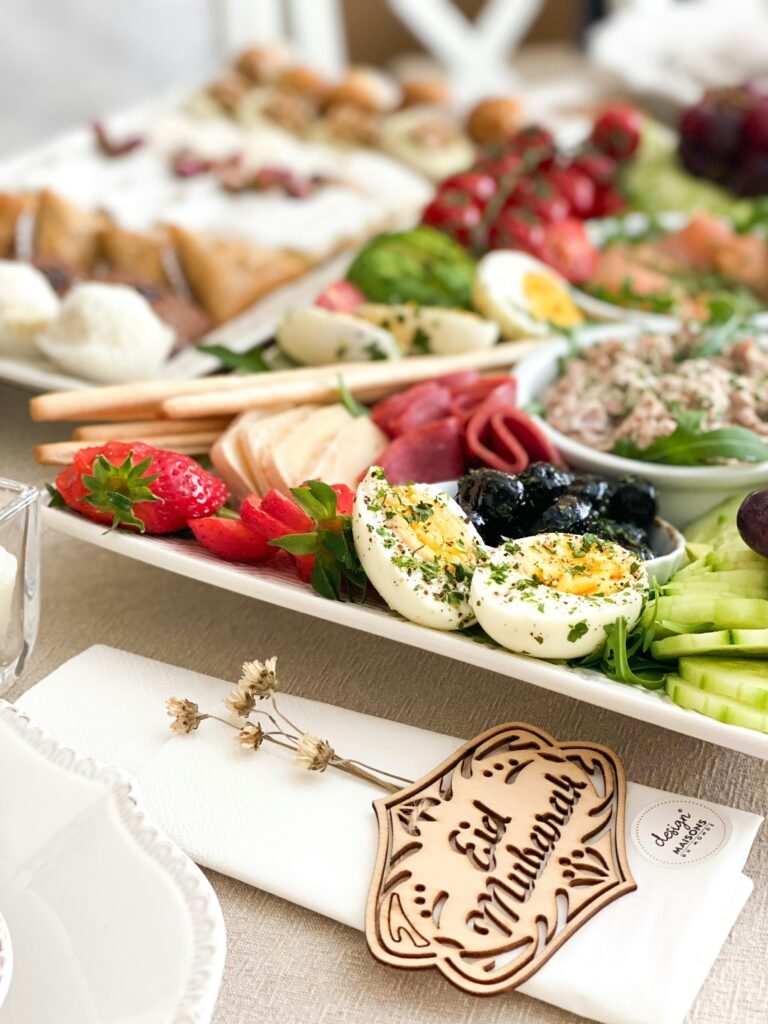
Following the prayers, festive meals play a crucial role in the celebrations. Families come together to prepare and enjoy a lavish spread of traditional dishes, which vary by culture and region. These meals often include a mix of sweet and savory dishes, symbolizing the sweetness that they hope to carry into the new month. The preparation of special delicacies is an opportunity for family members to bond, with each member contributing their personal touch to the meal. Sharing these festive meals with friends and neighbors is an essential aspect of Eid Al-Fitr, reinforcing community connections and goodwill.
In addition to prayers and meals, various local events and activities further enhance the spirit of Eid Al-Fitr. Many communities organize fairs that include games, cultural performances, and charitable initiatives, allowing attendees to engage in fun and meaningful activities. Families are encouraged to personalize their celebrations by initiating new traditions, such as volunteering at local charities or hosting gatherings with unique themes, enhancing the joyful atmosphere of Eid Al-Fitr. To summarize, the beauty of Eid Al-Fitr lies in its ability to bring individuals together, blending age-old traditions with modern elements to create lasting memories.
Reflections on Gratitude and Community
Eid Al-Fitr, marking the culmination of Ramadan, is a time deeply rooted in the themes of gratitude and community. As individuals and families come together to celebrate, the holiday serves as a poignant reminder of the blessings we often take for granted. The spirit of gratitude emphasized during Ramadan continues to shine brilliantly during Eid Al-Fitr, as people gather to thank Allah for the strength to persevere through the month of fasting and spiritual growth.
The importance of external connections cannot be overstated during this festive occasion. Eid Al-Fitr provides an opportunity to reach out to family, friends, and the wider community. Emphasizing forgiveness and reconciliation, the holiday encourages individuals to mend and strengthen relationships that may have been strained or neglected. This collective spirit fosters unity and compassion among neighbors and loved ones alike. The gatherings that ensue foster a sense of belonging, essential for communal well-being.
As families partake in the joyous celebrations, the significance of community comes to the forefront. The sharing of meals, the giving of Zakat (charitable donations), and the exchange of heartfelt wishes—”Eid Al-Fitr Mubarak”—all highlight the interconnectedness of society. During this time, it is customary to reach out to those who may be less fortunate, providing them with the means to celebrate as well, thereby reinforcing a culture of generosity during Eid Al-Fitr.
As they reflect on the past month, people are reminded of the values of patience and perseverance that are integral to both Ramadan and Eid Al-Fitr. Engaging in acts of kindness and compassion is not just a festive practice, but a lifelong commitment to nurturing and maintaining strong community bonds. These themes of gratitude and togetherness transform the holiday into an opportunity for renewal, growth, and the celebration of humanity.
Conclusion: The Essence of Eid Al-Fitr
Eid al-Fitr, a significant celebration marking the end of Ramadan, embodies profound meanings that resonate across various cultures and backgrounds. This festival is not merely a day of festivities but represents a culmination of spiritual growth, reflection, and devotion experienced throughout the month of Ramadan. The prayers offered, the fasts observed, and the charity extended during this holy month lay a solid foundation for the joyous celebration of Eid al-Fitr 2025.
This occasion stands as a reminder of the core values of unity, compassion, and gratitude. Communities come together, strengthening bonds and fostering a sense of belonging. Families gather to share in the traditions of Eid al-Fitr, whether through communal prayers, festive meals, or giving to those in need. The significance of this holiday thereby transcends religious boundaries, promoting values that can be appreciated universally.
Additionally, the sighting of the crescent moon holds a special place in the observance of Eid al-Fitr and marks the conclusion of Ramadan. This astronomical event symbolizes hope and renewal, heralding a time for celebration and joy. As people prepare to observe the various customs associated with Eid al-Fitr, adapting these traditions to fit their unique cultural contexts can further enhance the spirit of inclusivity that the holiday promotes.
In essence, Eid al-Fitr and its celebrations encourage individuals to embrace peace, generosity, and gratitude in their daily lives. While the holiday is rooted in religious significance, its overarching themes of love, connection, and reflection can inspire everyone, regardless of their background. As we await the arrival of Eid al-Fitr 2025, let us welcome this opportunity to reaffirm our commitment to these values and incorporate them into our interactions with others.
